
EASA 147: Evolve MRO with Expert Training
- Prince Stark
- Jan 15
- 5 min read

The modern aviation landscape demands agility, precision, and an unwavering commitment to the highest safety standards. For Maintenance, Repair, and Overhaul (MRO) organizations, meeting these escalating demands is not optional; it is foundational to survival and growth. In this environment, the bedrock of technical capability rests squarely on the quality of personnel training. This is where the regulatory framework of EASA Part 147 training becomes a critical differentiator, enabling organizations to elevate their operational prowess. Understanding and mastering the nuances of EASA CAR 147 Training is no longer a mere compliance exercise; it is the strategic catalyst required for evolving MRO services in a globalized market.
The Imperative of EASA CAR 147 Approval in Modern MRO
Aircraft maintenance is a high-stakes endeavor. Failures in compliance or competency can lead to catastrophic outcomes. Regulatory bodies worldwide recognize that robust initial and continuation training programs are essential safeguards. The EASA CAR 147 standard sets the global benchmark for organizations responsible for certifying maintenance staff, ensuring the knowledge imparted directly translates into safe, compliant, and efficient hands-on work.
For MRO providers, particularly those looking to expand beyond domestic jurisdictions or those dealing with complex international fleets like the A320 or B737 MAX, achieving and maintaining CAR 147 approval is non-negotiable. It signals to operators, lessors, and regulators that the organization possesses the structured processes, qualified instructors, and up-to-date materials necessary to sustain aircraft airworthiness. JSS AVIATION ENGINEERING AND MAINTENANCE PVT. LTD., for instance, leverages its CAR 147 approval not just for mandatory compliance, but as a core component of its value proposition, ensuring that our technicians, and those we train, operate at the apex of industry practice.
Bridging the Gap: From Local Certification to Global Standards
Many technicians begin their careers under national aviation authorities, such as the DGCA in India. While their foundational skills are strong, international operations necessitate alignment with broader regulatory frameworks like EASA. This transition demands specialized training pathways. For organizations supporting global operators, offering pathways like DGCA to EASA License Conversion or facilitating EASA Part 66 Module examinations becomes vital for talent retention and operational flexibility.
Compliance Security: Ensures maintenance outputs are accepted across EASA-regulated territories.
Talent Mobility: Allows engineers to work seamlessly on international assets.
Quality Assurance: Mandates continuous curriculum review, keeping training relevant to the latest airworthiness directives.
This structured approach contrasts sharply with ad-hoc training, ensuring that every engineer understands not just how to perform a task, but why the regulatory constraints exist. Furthermore, career advancement hinges on this. Professionals seeking to upgrade their credentials must prioritize recognized pathways, such as those leading to the EASA Part-66 license. We strongly advise exploring the necessity of this upgrade for career growth; see our insights on 🌍 Why Your DGCA AME License Needs an EASA Part-66 Upgrade!.
Evolving Training Methodologies within CAR 147
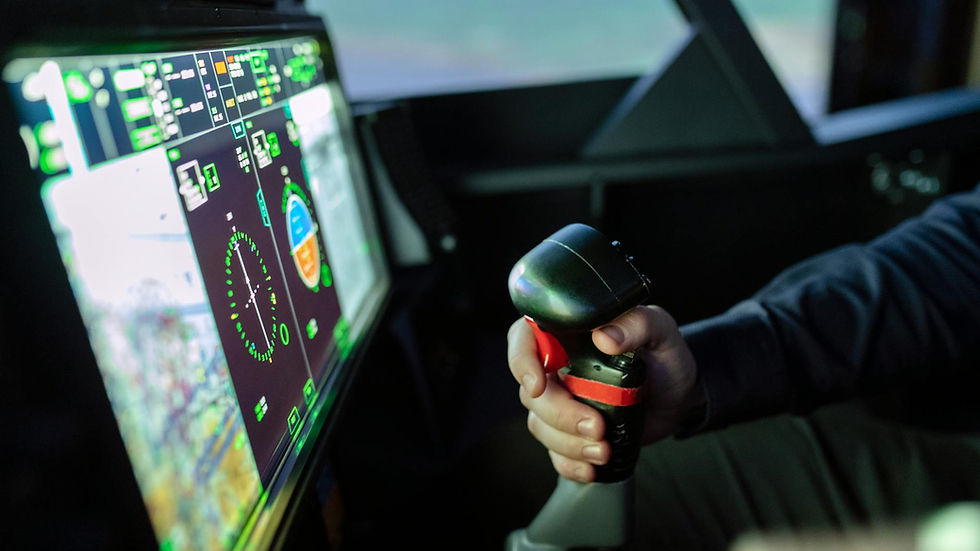
The aviation training environment is rapidly shifting. A purely classroom-based approach is increasingly inadequate for teaching complex systems found on modern aircraft, such as the avionics suites in the latest generation jets or the intricate components within complex cabin interiors undergoing refurbishment. EASA CAR 147 Training organizations are leading this evolution by integrating advanced simulation and practical application.
Practical Application and Fleet-Specific Expertise
The true value of 147 approval materializes when theory meets practice, especially in high-value areas like specialized component maintenance or complex interior modification projects. Consider the precision required for cabin interior refurbishment, covering everything from thermoformed plastic repair to the manufacturing of certified carpet and fabric components. An engineer trained under a robust 147 framework understands the critical documentation trail required for these non-routine tasks.
For operators managing large fleets, type-specific training is crucial. Specializing in courses like the EASA Part 147 Boeing 737 MAX differences course ensures that maintenance teams are fully abreast of specific airframe changes, mitigating risks associated with fleet commonality. This depth of knowledge directly impacts turnaround times and the overall reliability of the asset.
The Future: Competency-Based Training Integration
The regulatory focus is increasingly moving toward demonstrating actual competency rather than just attendance or passing written exams. This shift necessitates integrating advanced assessment methodologies. A forward-thinking MRO training provider embraces this, utilizing tools that move beyond traditional testing to measure practical skill acquisition under real-world pressure. To understand how this future is being built today, look into the advancements driving training quality, discussed in our article on 🌐 The Future of CAR 147: Moving Beyond the Classroom with CBTA and Simulation.
Partnering for Excellence: A One-Stop Solution
For aircraft owners and operators facing pressures regarding operational costs, rapid maintenance cycles, and maintaining strict compliance, sourcing training and MRO services from disparate vendors creates unnecessary friction and risk. The optimal solution lies with organizations that integrate both worlds.
When an MRO provider, like JSS Aviation, holds both CAR 145 (Maintenance) and CAR 147 (Training) approvals, the synergy is powerful. Trainees learn on live aircraft or in facilities where maintenance is actively performed, seeing compliance applied in real-time. This integrated model drastically reduces the "learning curve friction" when new certifications or complex maintenance tasks-such as pre-purchase inspections or major component overhauls-are required.
Integrated Feedback Loop: Maintenance findings immediately inform training adjustments.
Cost Efficiency: Streamlining training procurement alongside maintenance contracts.
Guaranteed Standards: Confidence that the training received aligns perfectly with operational scope (e.g., Business Jet & Helicopter Refurbishment standards).
Choosing a partner with proven expertise in both rigorous instruction and high-quality execution-from avionics servicing to complex interior refurbishment-ensures that your aircraft fleet receives the highest level of care, backed by certified, highly competent personnel.
Frequently Asked Questions
What is the primary difference between EASA Part 145 and EASA Part 147 approval?
EASA Part 145 approval certifies an organization to perform maintenance, repair, and overhaul (MRO) tasks on aircraft and components. In contrast, EASA Part 147 approval specifically certifies the organization's capability to provide certified training and examinations for maintenance personnel.
Why should an operator invest in CAR 147 training if their engineers already hold local licenses?
While local licenses are valid, CAR 147 training ensures compliance with international standards required for operating across various jurisdictions. It upgrades competency levels, particularly for complex modern aircraft, and is essential for achieving EASA licensing recognition.
How does EASA Part 147 address the high cost of contemporary aircraft maintenance?
High-quality training reduces costly errors, minimizes aircraft-on-ground (AOG) time due to maintenance rework, and streamlines compliance documentation, ultimately lowering long-term operational expenditure without compromising safety margins.
Can EASA Part 147 training facilities support specialized needs like cabin interior repair?
Yes, advanced 147 organizations integrate specialty training modules. For instance, training can cover the precise material handling and repair standards needed for certified cabin refurbishment projects, ensuring ongoing component airworthiness.
Conclusion: Securing the Future Through Competent People
The future of reliable, safe, and efficient aviation maintenance rests entirely upon the competence of the workforce. EASA CAR 147 approval provides the verified pathway to achieving this essential level of expertise. For MRO services seeking to scale, adapt to new technologies, and manage increasingly complex aircraft portfolios, investing in recognized, high-quality training is the most critical strategic decision. By partnering with approved training organizations that understand the dual requirements of maintenance execution and personnel development, the aviation industry can ensure it remains robust, compliant, and ready for the next generation of air travel. Invest in certified expertise today to guarantee peak operational performance tomorrow.


Comments